
-
 Call Us +0757 82252350
 -
 Email Us manager@gdboanmachine.com


Solid Dosage Forms: Complete Guide to Types, Formulation Processes & Pharmaceutical Packaging Equipment Applications
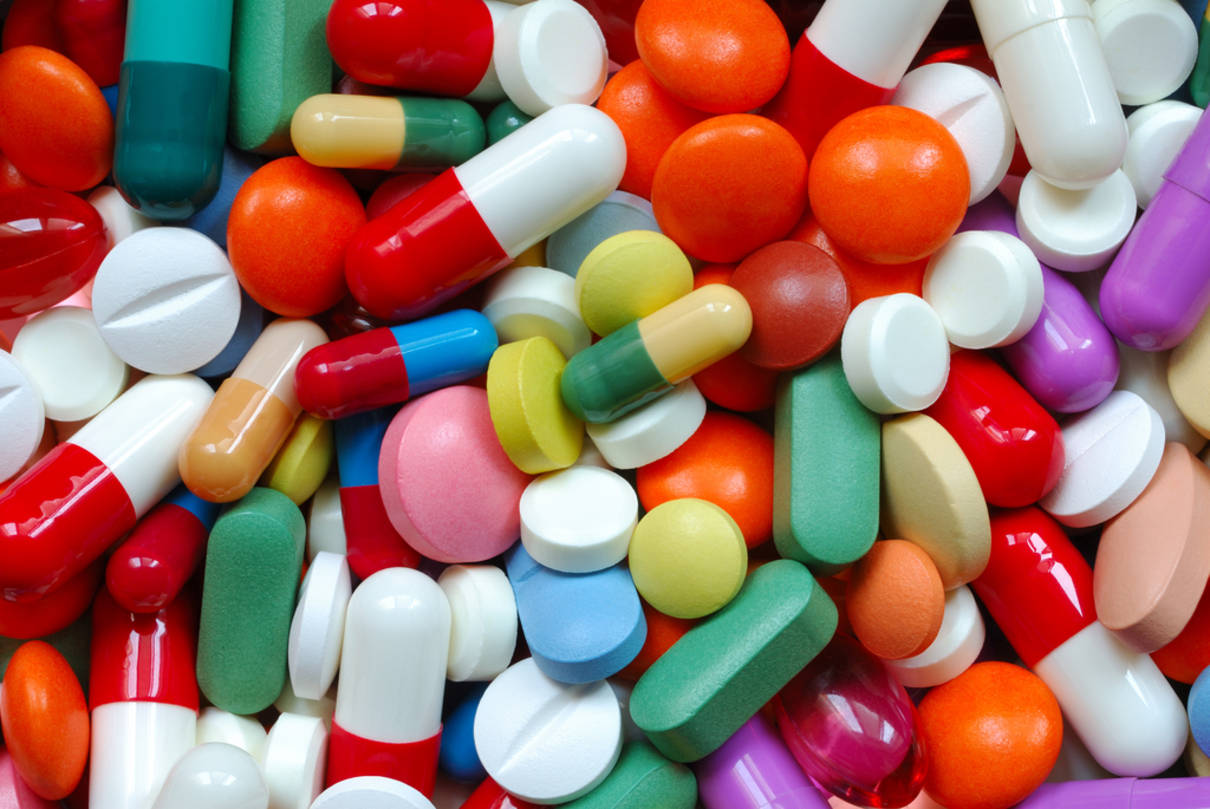
In the grand narrative of the pharmaceutical industry, solid dosage forms have always been the undisputed protagonists. From the painkillers we take daily to complex controlled-release formulations, tablets, capsules, and powders occupy the largest share of the global drug market. Today, in 2026, with the rise of personalized medicine and the rapid advancement of automated packaging technology, the production and packaging of solid dosage forms are undergoing a profound intelligent transformation.
As a professional manufacturer deeply rooted in the pharmaceutical machinery field, Guangdong Boan Machinery will combine the latest industry trends to provide you with an in-depth analysis of the core technical points of solid dosage forms. We will explore how to maximize the value of pharmaceuticals through advanced equipment such as capsule filling machines, counting & bottle filling lines, and blister packaging machines.
The enduring popularity of solid dosage forms lies in their unparalleled stability, dosage accuracy, and patient compliance. Compared to liquid or semi-solid preparations, solid drugs typically do not require refrigeration and are less prone to deterioration, offering great convenience for global warehousing and transportation.
However, market demands are escalating. According to the latest market reports, the global pharmaceutical packaging equipment market is projected to reach $23.46 billion by 2030, with particularly strong demand for high-speed, high-precision equipment. The driving forces behind this include:
The Rise of Personalized Medicine: The production of small-batch, multi-variety customized drugs requires packaging equipment with high flexibility and rapid changeover capabilities.
Trend Towards Patient Self-Administration: With the popularization of devices like auto-injectors, the packaging precision requirements for companion solid oral dosage forms (e.g., pre-filled capsules) have also increased.
Tighter Regulations and Anti-Counterfeiting Needs: Serialization and track-and-trace systems have become industry standards, posing significant challenges for data collection and management capabilities on downstream packaging lines.
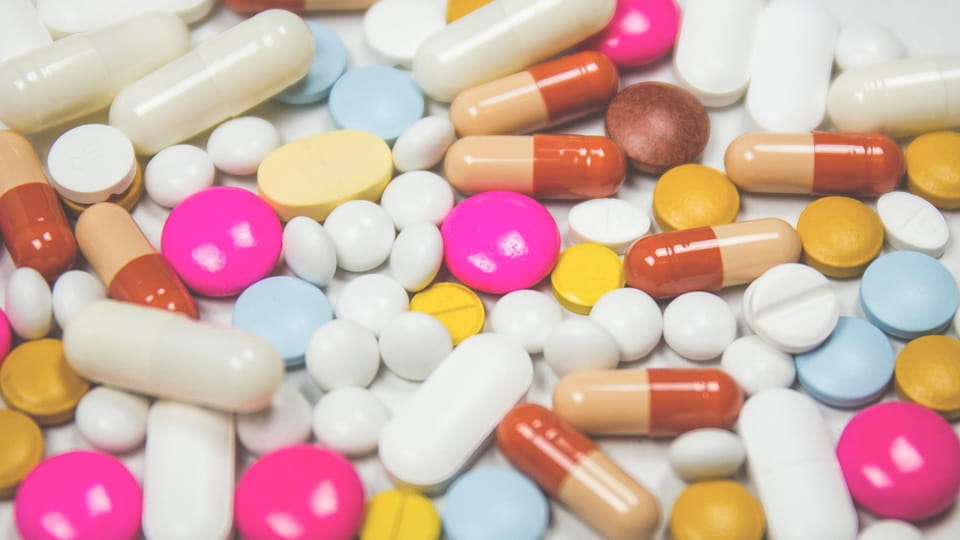
Tablets are formed by compressing a mixture of the active pharmaceutical ingredient and excipients using a tablet press. Modern high-speed rotary tablet presses are no longer simple physical compression tools but intelligent platforms integrated with Process Analytical Technology.
Technological Frontier: A new generation of tablet presses uses AI algorithms to monitor tablet hardness, thickness, and weight in real-time. If fluctuations in powder flowability are detected, the equipment automatically adjusts the filling depth or compression force parameters, ensuring every tablet meets quality requirements.
Specialty Tablets: The prevalence of complex dosage forms like enteric-coated tablets, multi-layer tablets, and chewable tablets places higher demands on the tooling technology of the tablet press. Using molds made from PVD-coated or tungsten carbide materials can significantly extend service life and handle sticky materials.
Capsules are favored for their ability to mask unpleasant odors and offer high bioavailability. In the 2026 equipment procurement trends, semi-automatic capsule filling machines are experiencing a "renaissance."
Why Are Semi-Automatic Machines Still Important?
R&D and Pilot Production Needs: Contract Manufacturing Organizations, especially in Europe, are increasingly choosing high-end semi-automatic capsule filling machines to handle small batch orders ranging from 50,000 to 200,000 capsules. These machines offer fast changeovers (interchangeable tooling can be completed in just 10-15 minutes), making them ideal for multi-product, high-flexibility production environments.
The Liquid-Filled Hard Capsule Revolution: This is one of the most exciting current trends. By adding servo-driven ceramic pumps or peristaltic pumps to a semi-automatic machine, oily drugs or suspensions can be precisely filled into hard capsules, achieving lower development costs and smaller minimum order quantities compared to softgels.
Fully Automatic High-Speed Production: For high-volume products, fully automatic capsule filling machines (such as those offered by Boan Machinery, reaching speeds up to 33,000 capsules per hour) remain the mainstream choice. Equipped with in-line weight checks and automatic rejection systems, they ensure ultimate production efficiency.
A typical solid oral dosage production process focuses on transforming powdered active ingredients into stable, aesthetically pleasing, and easy-to-take finished products.
This is the foundation for determining drug uniformity. Traditional wet granulation is still widely used, but dry granulators are gaining attention due to their energy efficiency and suitability for heat- and moisture-sensitive materials.
This is the "heart" of the production line.
Tablet Press Selection: If you primarily produce standardized, high-volume generic drugs, a high-speed rotary tablet press is the ideal choice. If you are focused on R&D, a small-scale tablet press with data acquisition capabilities that complies with GMP standards is more critical.
Capsule Filler Selection: As mentioned, semi-automatic models excel in flexibility, while fully automatic ones dominate in output. Boan Machinery offers solutions covering all scenarios from laboratory to large-scale production.
To improve taste or achieve enteric release, tablets often require coating. A high-efficiency coating pan combined with a precise spray gun system ensures the uniformity of the coating film.
The packaging of solid dosage forms has long transcended the simple concept of "packing." It directly impacts drug stability, regulatory compliance, and patient medication safety. This is the stage where pharmaceutical packaging machinery truly shines.
Automatic blister packaging machines are the preferred packaging format for tablets and capsules due to their tamper-evidence, excellent sealing, and portability.
Technical Highlights: Modern blister machines can handle not only traditional materials like PVC and PTP aluminum foil but also high-barrier materials like cold-formed foil to meet the needs of highly moisture-sensitive products. In-line vision inspection systems can automatically identify and reject defective blisters, preventing non-conforming products from leaving the facility.
Flexible Production: To accommodate the surge in drug varieties, equipment must have the capability for rapid tooling changes. Switching from one product size to another should be accomplished in a very short time.
For high-dose medications or nutraceuticals, plastic bottles remain a stable choice.
Core Technology: The heart of a high-speed counting and bottle filling line is the electronic tablet/capsule counter. Whether complex, shaped tablets or capsules, they can be counted accurately using multi-channel vibratory feeders and photoelectric sensors. Subsequently, capping machines, induction sealers, and labeling machines work in coordination to complete the entire packaging process.
Serialization Integration: Integrating track-and-trace systems into the bottle line has become essential. After labeling, each bottle needs its unique barcode data captured and linked to a central database to meet global regulatory requirements.
For powders or granules, strip packaging machines and sachet machines play a crucial role. Effervescent tablets, in particular, must be packaged in composite film pouches with excellent sealing properties to protect against moisture.
Looking ahead, the development of solid dosage form packaging equipment will closely revolve around three key themes:
Artificial Intelligence and Data-Driven Operations: Equipment will not just execute commands but will collect data via sensors and use AI for predictive maintenance, avoiding unexpected downtime. All parameters during production can be traced, providing a basis for process optimization.
Sustainable Design: Under global sustainability goals, equipment manufacturers are developing energy-efficient motors, optimizing heating systems, and supporting thinner, more environmentally friendly packaging materials to reduce carbon footprint.
Flexible Production: Whether responding to small-batch orders for personalized medicine or the diverse packaging needs of e-commerce channels, equipment must possess "plug-and-play" flexibility, allowing rapid switching between different products and specifications.
The manufacturing and packaging of solid dosage forms is a complex field integrating pharmaceutical science, mechanical engineering, automation control, and data science. Choosing the correct process route and the right pharmaceutical packaging machinery partner is key to ensuring drug safety and efficacy while improving enterprise efficiency and reducing costs.
As your partner in intelligent manufacturing, Guangdong Boan Machinery is dedicated to providing one-stop solutions ranging from capsule filling, counting & bottle filling to blister packaging, helping pharmaceutical companies worldwide embrace the new era of personalization and intelligence.
A solid dosage form refers to medication in a solid state, mainly including tablets, capsules, powders, granules, and pellets. They are typically administered orally and offer advantages such as good physicochemical stability, accurate dosing, and ease of storage and transport.
This depends on your dosage form, output volume, and budget. For capsules or tablets, semi-automatic capsule filling machines are suitable for small-scale R&D, while high-speed tablet presses or fully automatic capsule filling machines are needed for mass production. For downstream packaging, choose between blister packaging machines or counting & bottle filling lines based on your packaging material. It's advisable to discuss with a professional equipment supplier and conduct factory acceptance tests.
"Cold-forming" is a blister packaging process that uses special aluminum foil and does not require heat to shape the cavity. It provides an extremely high barrier, almost completely blocking light, moisture, and oxygen, making it ideal for moisture-sensitive drugs or products requiring long-term storage.
With the increase in personalized medicine and small-batch, high-mix orders, pharmaceutical companies need to frequently change production line specifications. Equipment with rapid changeover capabilities, or flexible equipment, can significantly reduce downtime, improve Overall Equipment Effectiveness, and respond quickly to market demands.
Serialization is the process of assigning a unique, non-alterable identification code to each level of packaging (e.g., primary pack, carton, pallet). This code is tracked throughout the supply chain to prevent counterfeit drugs from entering the market, enable precise recalls, and comply with pharmaceutical traceability regulations in various countries.
References:
Guangdong Boan Machinery Co., Ltd. "About Us" Introduction
Leading Pharmaceutical Industry Technology Insights (2026)
Research and Markets: Global Pharmaceutical Packaging Equipment Market Report 2026
Professional Pharmaceutical Technology Review (2026)
GII: Global Pharmaceutical Packaging Equipment Market Report 2026 (Japanese Edition)
Packaging Connections: Six Trends Impacting Pharmaceutical Packaging Equipment Investment (2026)
Global Packaging Equipment Market Analysis Platform (2026)

 Jinhai Plaza, No. 21, Jihua 5th Road, Chancheng District, Foshan City, Guangdong Province, China
  +0757 82252350
  +8618613054883
  manager@gdboanmachine.com